Cardiometabolic Research Lab
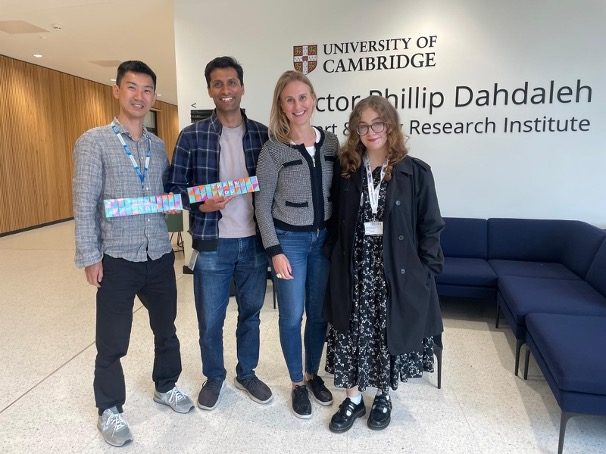
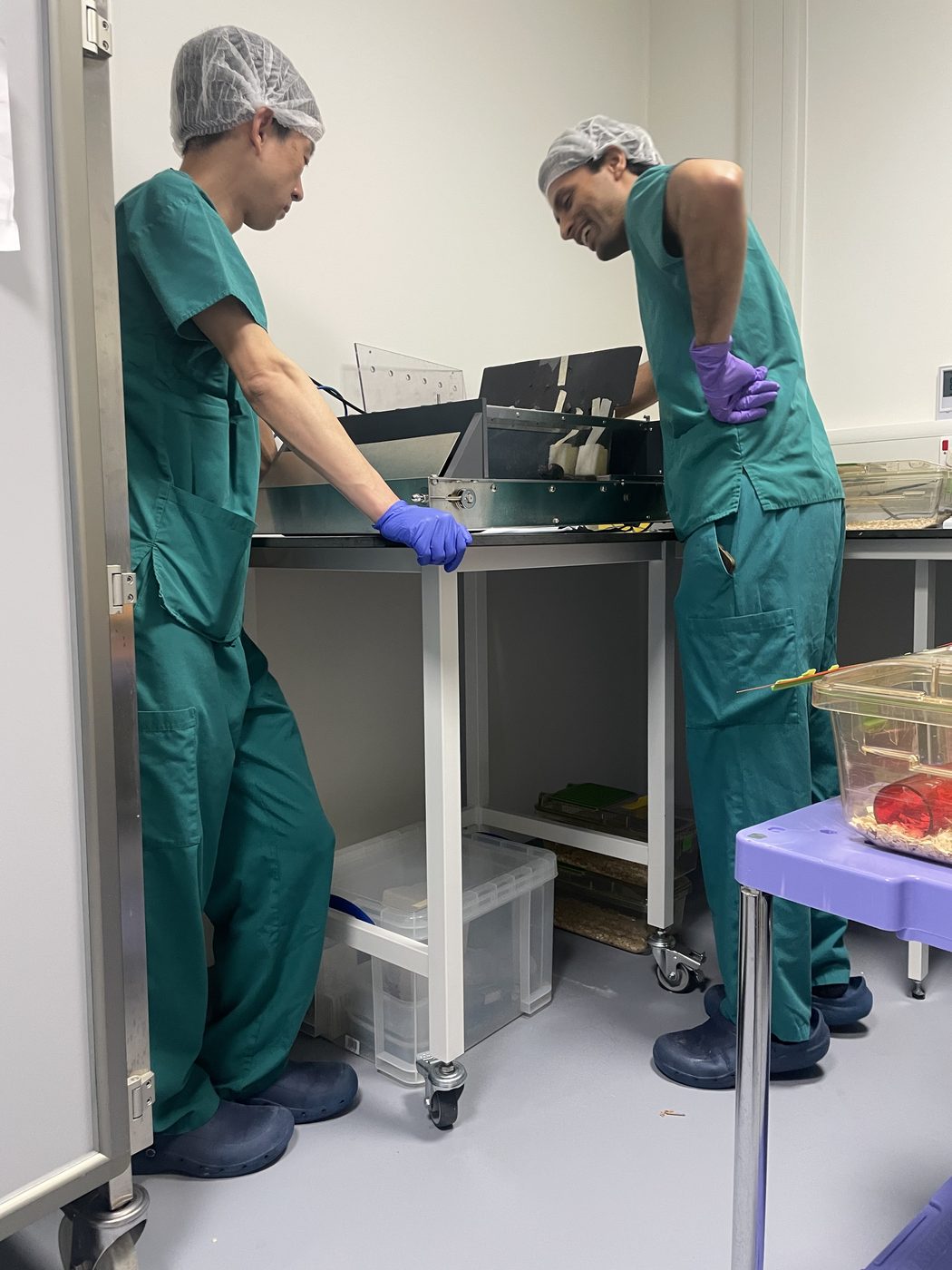
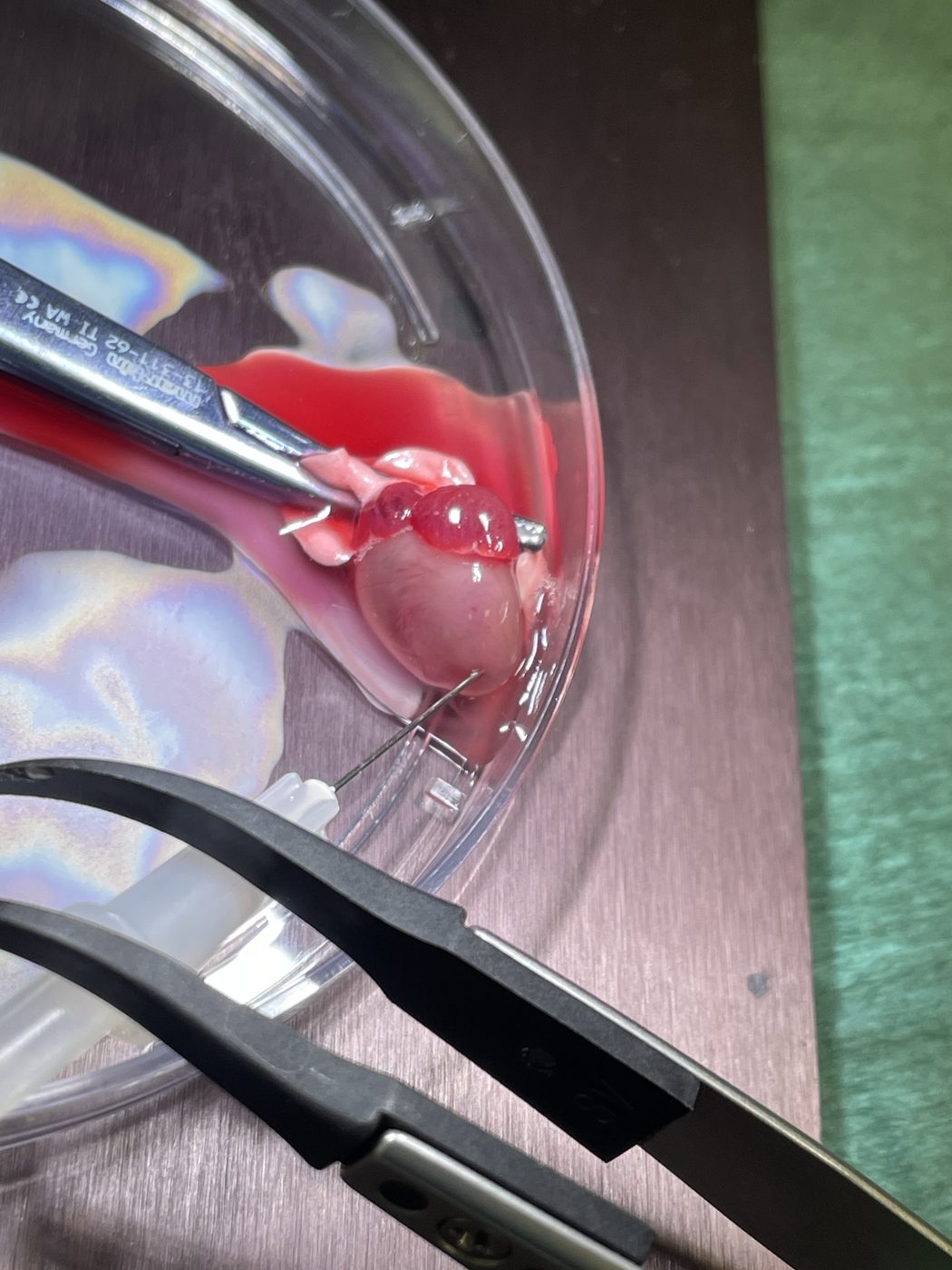
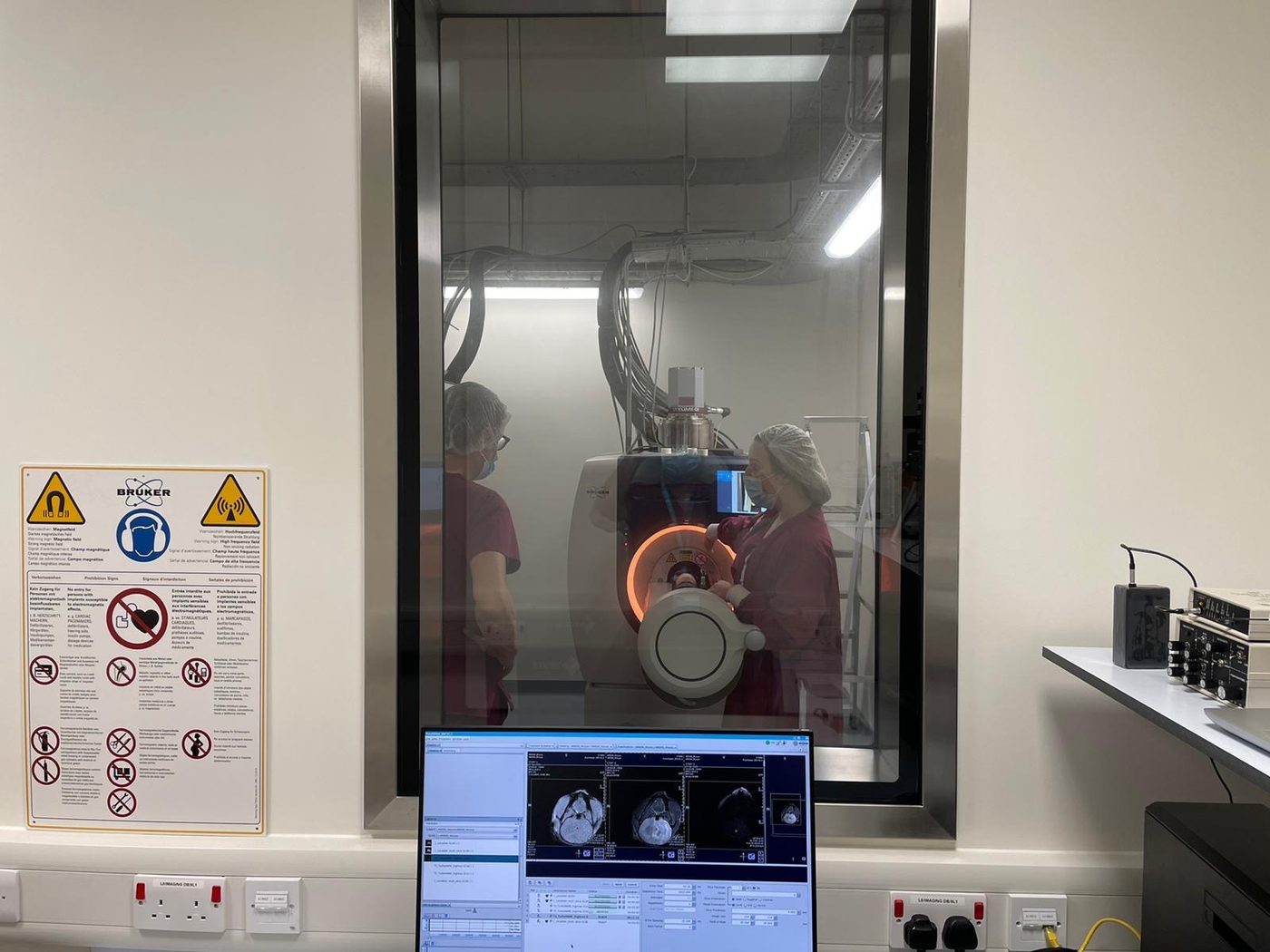
The Vujic Lab
Investigating the hidden links between the heart, metabolism and systemic health, with the goal of turning biological discoveries into better outcomes for people living with cardiometabolic disease.
15+
Years of Research
£5M+
Raised for Research
Supported by
- British Heart Foundation
- Isaac Newton Trust


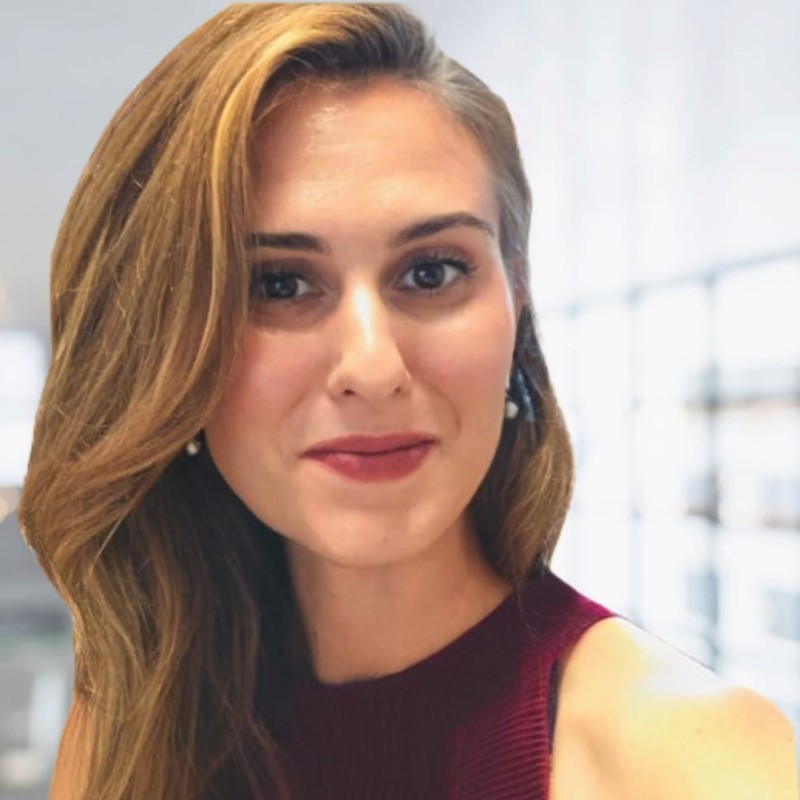
About Dr. Vujic
Assistant Research Professor · British Heart Foundation Intermediate Research Fellow · Principal Investigator, Cardiometabolic Theme, BHF Centre of Research Excellence · Fellow of Lucy Cavendish College, Cambridge
I studied Biomedical Sciences at Linköping University in Sweden before moving to Cambridge for a PhD with Roger Foo, where I studied cardiovascular biology and epigenetics. My research later took me to the National University of Singapore and Harvard University. At Harvard, in Richard T. Lee’s lab, I studied cardiac regeneration and how the heart responds to ageing and disease, including through collaborations with Anthony Rosenzweig’s lab at Massachusetts General Hospital investigating the effects of exercise on cardiac rejuvenation.
I returned to Cambridge as a Career Development Fellow, working with Thomas Krieg and Mike Murphy to explore mitochondrial function and signalling. Across these experiences, I became fascinated by the heart’s remarkable capacity to adapt to physiological and metabolic stress — and by what happens when that capacity is lost.
I established the Vujic Lab at the University of Cambridge in 2023. Our research explores the mechanisms that enable the heart to adapt and remain resilient across the lifespan, with a particular focus on cardiac adaptation, cardiometabolic health, mitochondrial biology, and communication between the heart and other organs. I am driven by bringing together ideas and approaches from different fields to understand complex cardiovascular problems and identify new ways to preserve cardiac resilience in health and disease.
Outside the lab, I am rarely still — boxing, running trails, exploring the outdoors, and, whenever possible, spending time with dogs. I am also a fellow of Lucy Cavendish College.
Research Focus
The Vujic Lab studies how the heart adapts to physiological and cardiometabolic stress, and how communication between the heart and other organs shapes cardiac function and resilience.
Cardiac Adaptation
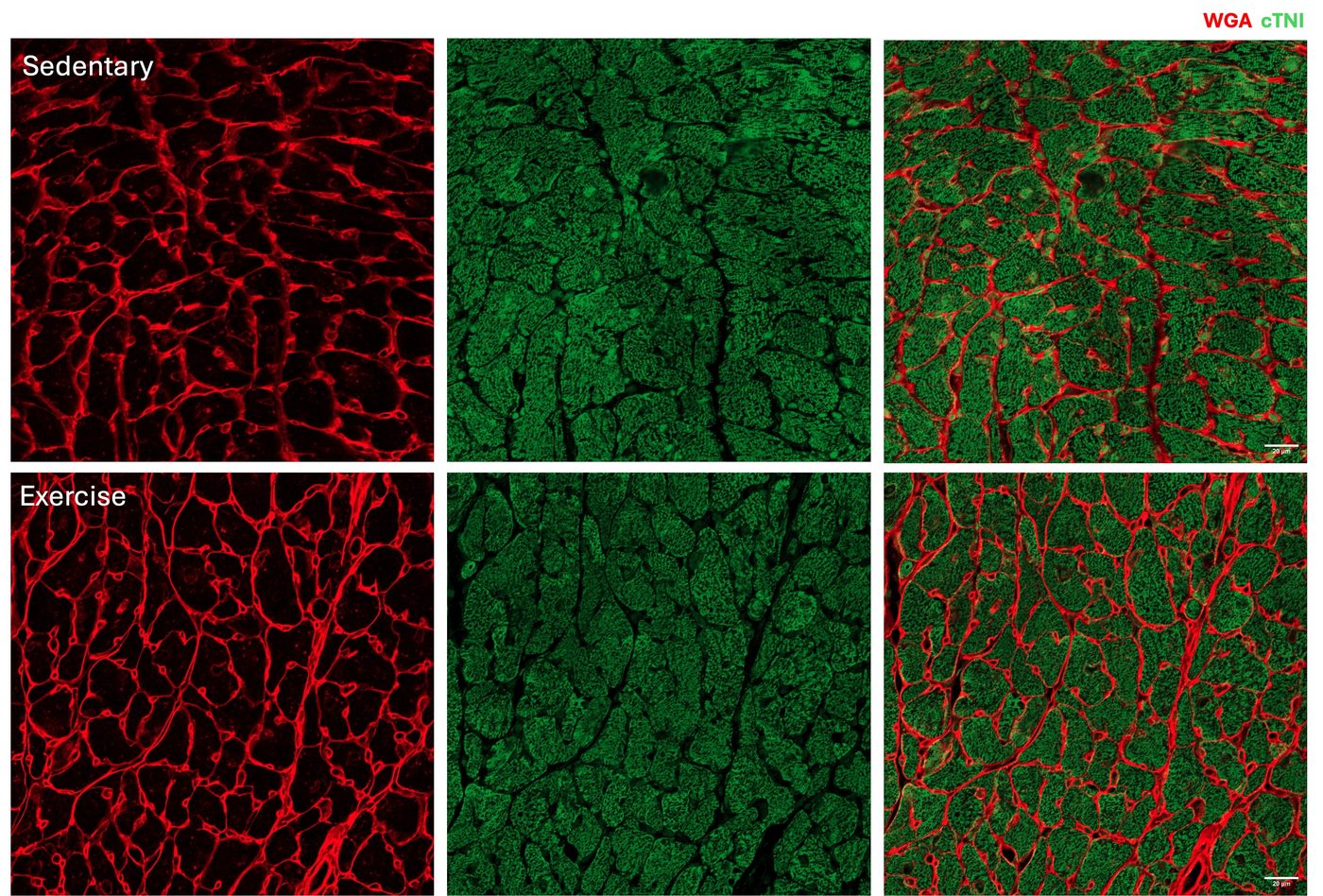
How does the heart adapt to the physiological stress of exercise training, and what molecular and cellular mechanisms drive beneficial cardiac adaptation?
Cardiac Reserve & Resilience
What enables the heart to buffer physiological and metabolic stress, and how do metabolic flexibility, mitochondrial function, and cellular stress responses underpin cardiac reserve and resilience with aging and disease?
Cardiometabolic Health & Disease
How do metabolic and vascular dysfunction, systemic inflammation, and altered energy metabolism contribute to cardiac dysfunction, particularly in cardiometabolic disease and heart failure with preserved ejection fraction (HFpEF)?
Cross-Organ Communication
How do signals between the heart and other organs — including the immune, hematopoietic, skeletal muscle, liver, and adipose systems — shape cardiac adaptation and resilience in health and disease?
We address these questions through complementary molecular and cellular approaches, preclinical models, systems biology, and human studies. Our goal is to understand the mechanisms that enable the heart to adapt and remain resilient in health and disease, and to identify pathways that can be harnessed to improve cardiometabolic and cardiovascular health.
Philosophy
Our Scientific Philosophy
We study how the heart adapts to stress, what makes it resilient, and what happens when that resilience begins to fail. Exercise isn’t the endpoint of our research; it is a biological model for understanding resilience. By uncovering the mechanisms that allow the heart to adapt, we want to understand when and why this capacity is lost — and whether we can intervene before cardiac dysfunction becomes established. We are motivated by the idea that understanding the biology of resilience may ultimately help us move from treating disease to preventing it.
How We Work
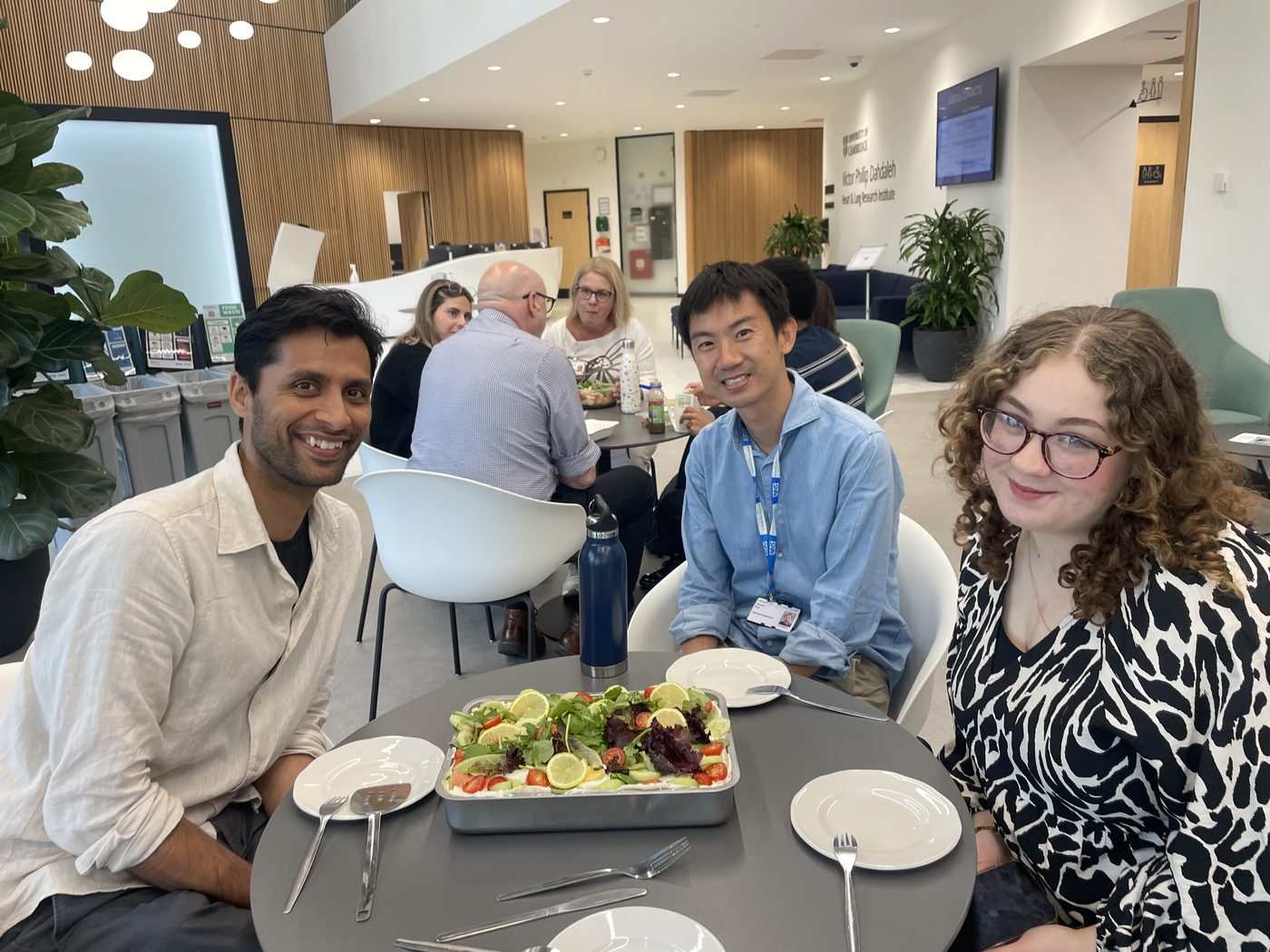
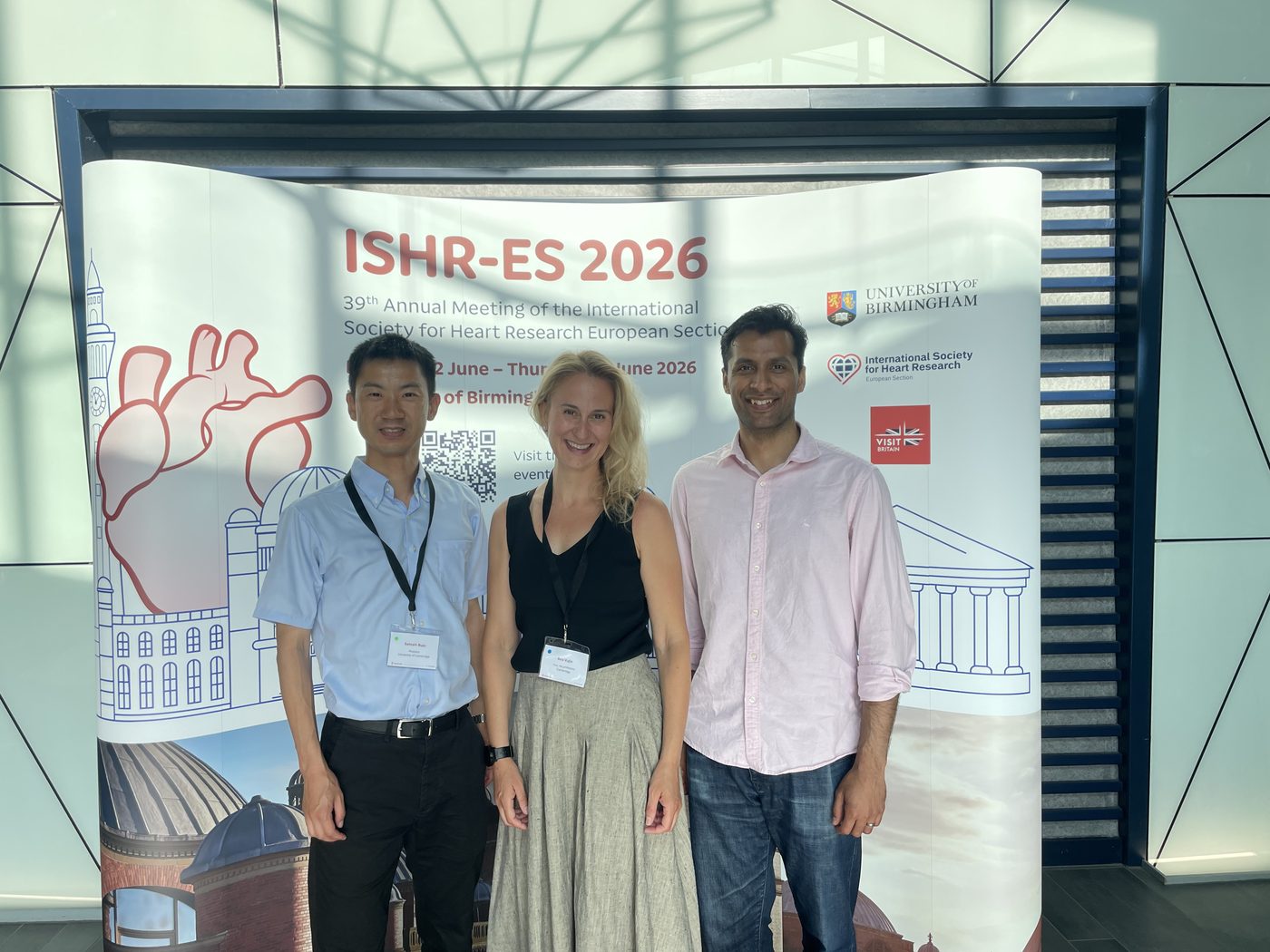
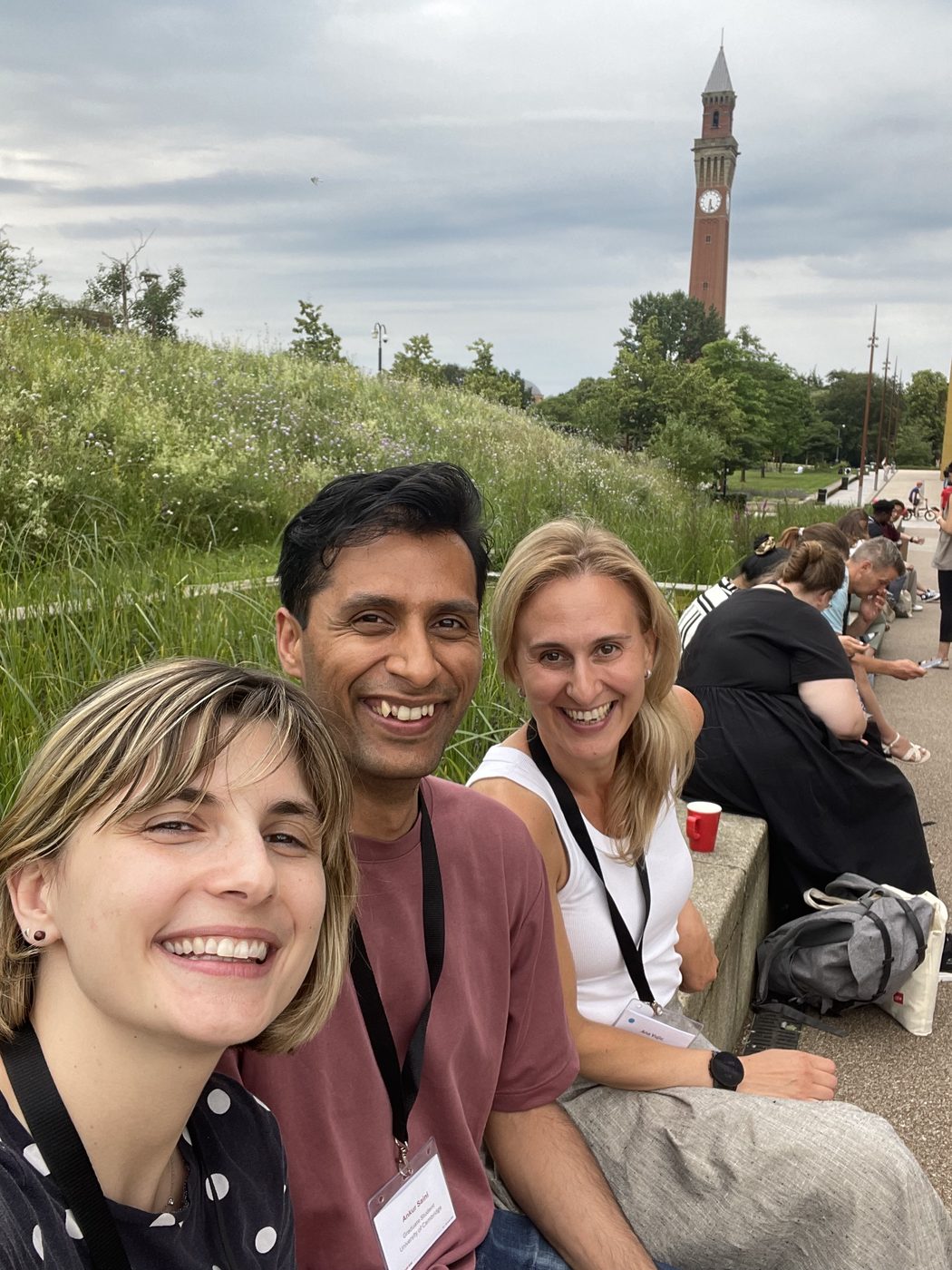
We believe that good science is built by good people. We want the lab to be a vibrant, curious and supportive place where people are motivated to ask ambitious questions, challenge ideas and learn from one another.
We care about people as well as science. Kindness, respect, generosity and integrity are fundamental to how we work together. Science can be demanding and uncertain, and we believe people do their best work when they feel supported, valued and able to be themselves.
We believe in people and their potential. Training the next generation of scientists is central to the lab. We want people to leave the lab not only with strong scientific skills, but with the confidence, independence and critical thinking to develop their own ideas and make meaningful contributions.
We want our science to matter and make a difference. Research does not always move in a straight line, and there will inevitably be experiments that fail, difficult periods and unanswered questions. We want to create a culture where curiosity, persistence and optimism keep us moving forward.
We are motivated by fundamental biological questions, but ultimately want our work to contribute to better understanding, prevention and treatment of cardiovascular and cardiometabolic disease and to have a positive impact on society, and ultimately help people not only live longer, but live healthier lives.
Publications
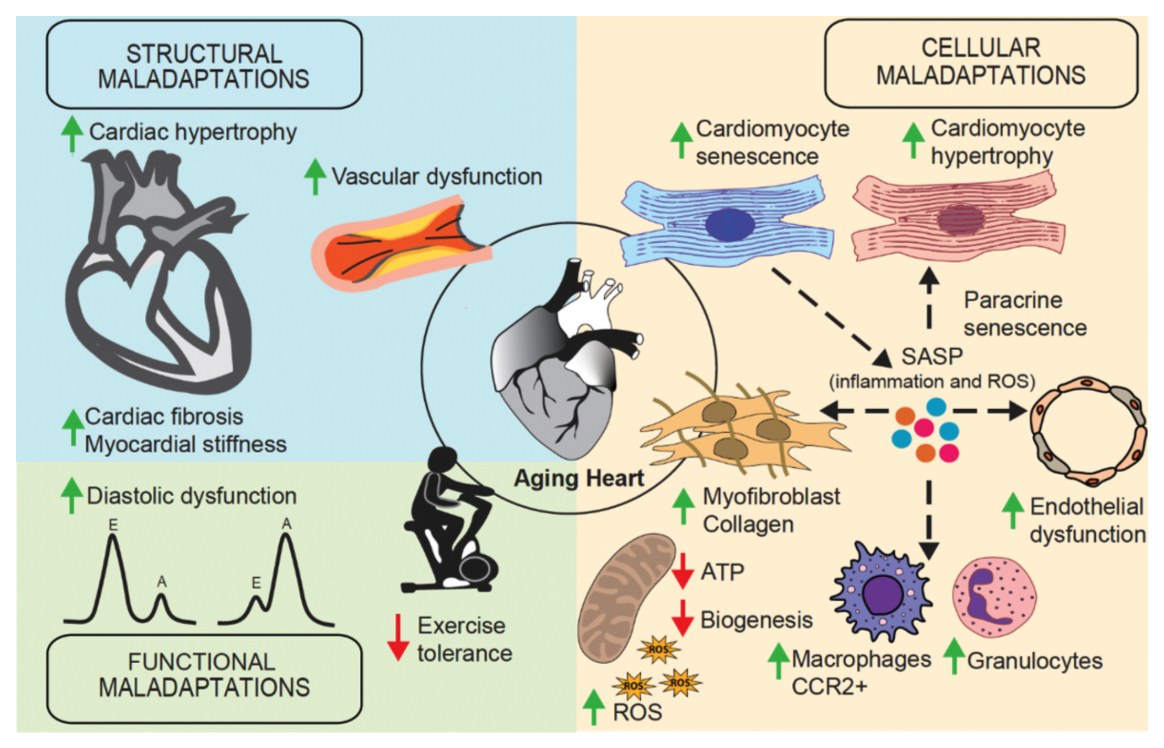
Molecular mechanism of cardiac ageing
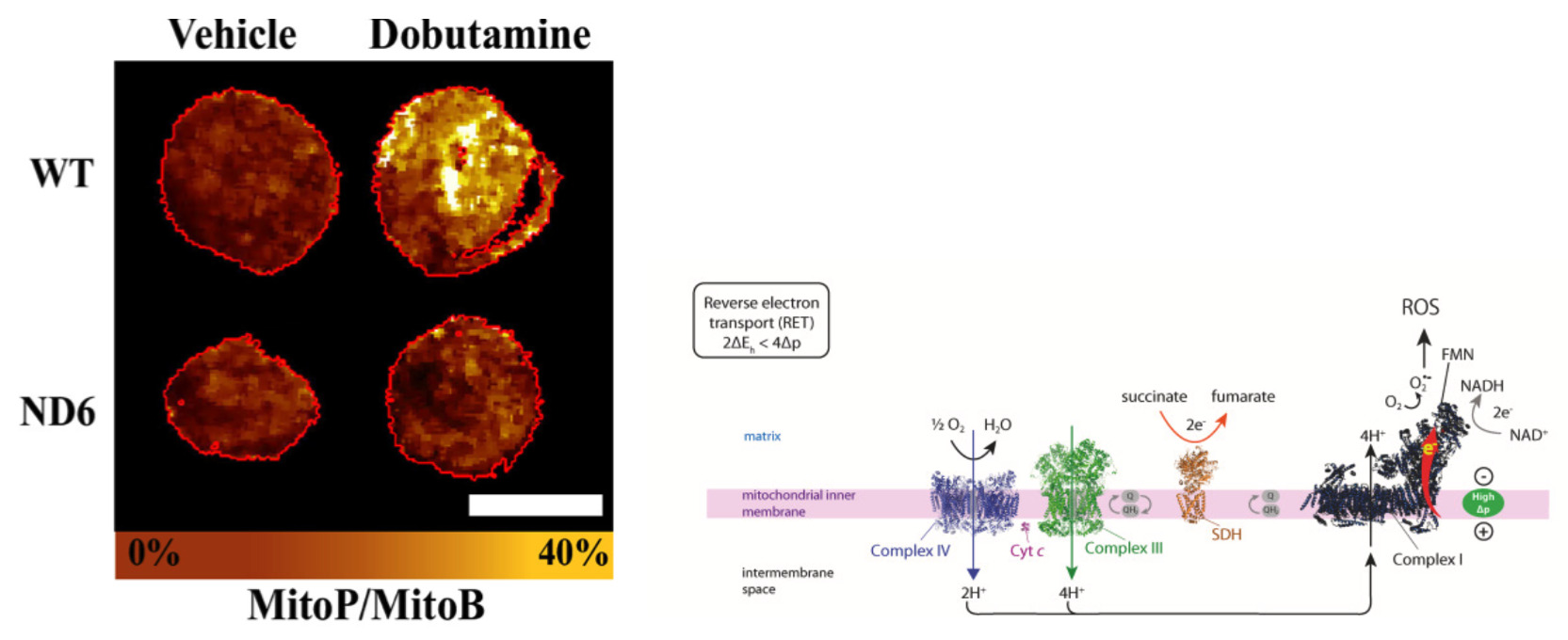
Mitochondrial signalling in cardiac injury (IRI) and dysfunction (HFrEF and HFpEF)
-
Loss of RET-ROS at complex I induces diastolic dysfunction in mice that is reversed by aerobic exercise
* co-corresponding authors
- Malonate given at reperfusion prevents post-myocardial infarction heart failure by decreasing ischemia/reperfusion injury
- Mitochondrial redox and TCA cycle metabolite signaling in the heart
Exercise and cardiac regeneration
-
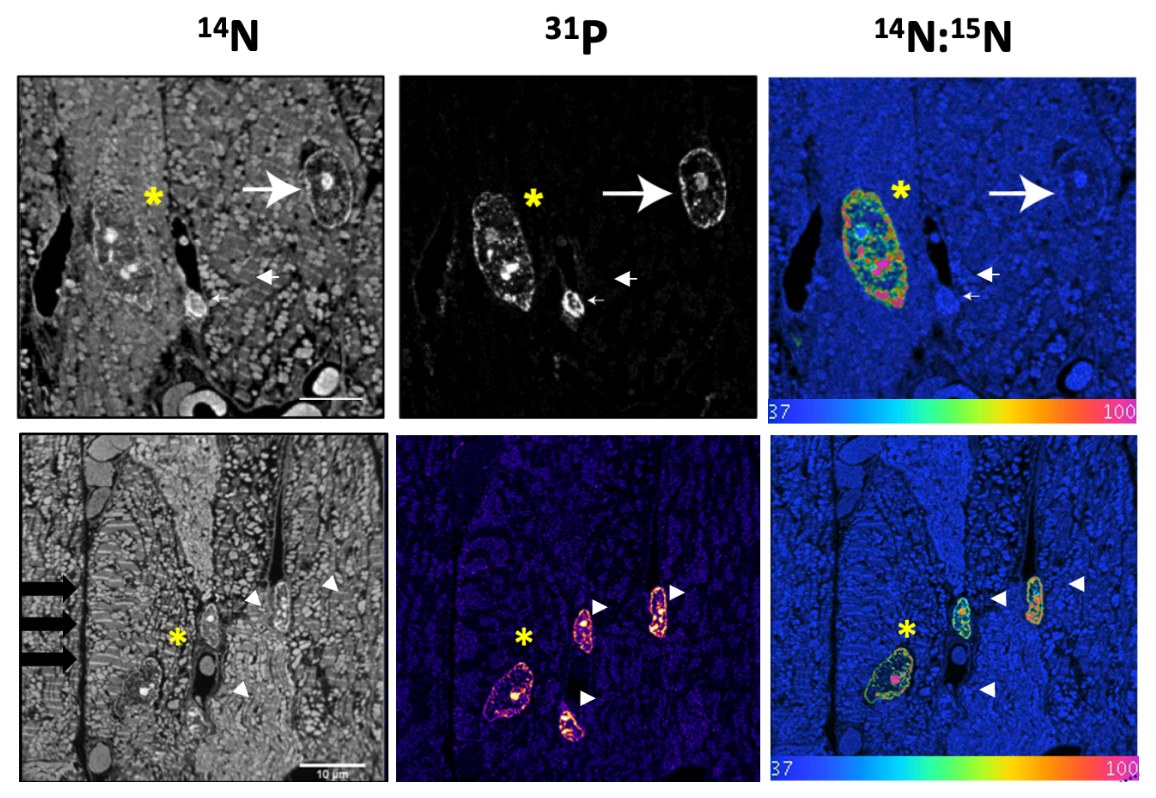
Exercise induces new cardiomyocyte generation in the adult mammalian heart
* co-first authors
-
Restoration of cardiomyogenesis in aged mouse hearts by voluntary exercise
* co-first authors


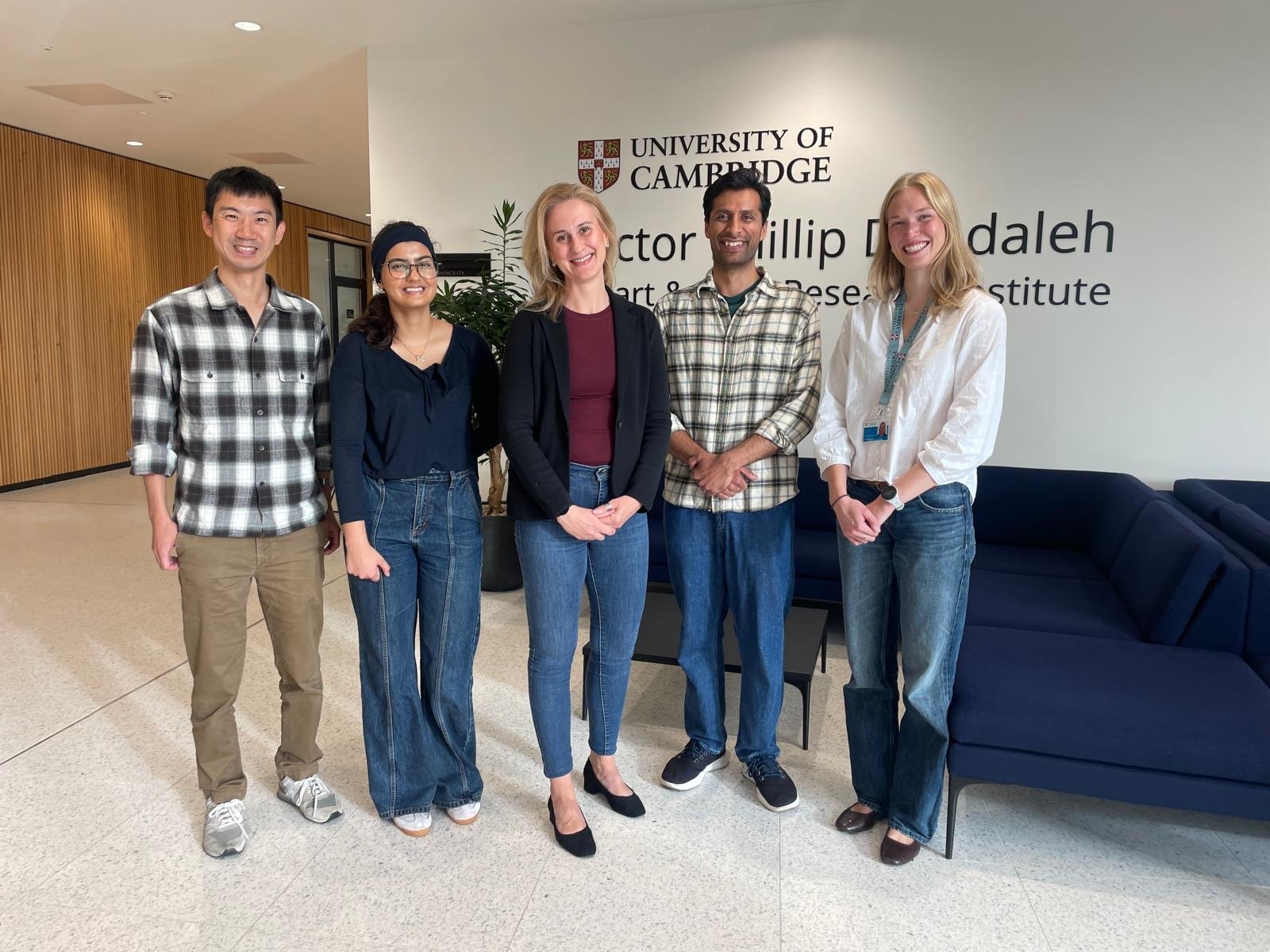
Team & Collaborators
Satoshi Bujo, MD, Ph.D.
Postdoctoral Fellow
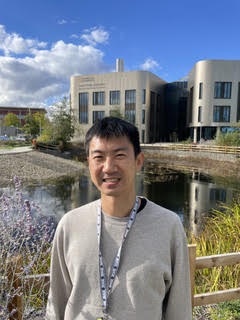
I am a cardiologist and clinician-scientist who joined the Vujic Lab in December 2024 as a postdoctoral researcher, supported by overseas research fellowships from the Japan Heart Foundation–Japan Circulation Society and the Fukuda Foundation for Medical Technology. I received my MD from Hokkaido University in 2012 and my PhD in Cardiovascular Medicine from the University of Tokyo in 2021.
My research is driven by questions arising from clinical practice. My previous work investigated how cardiac lipid metabolism and membrane phospholipid remodelling contribute to cardiac dysfunction in pressure overload-induced heart failure.
My current research focuses on cardiometabolic heart failure with preserved ejection fraction (HFpEF), a condition for which effective treatment options remain limited. I am exploring how different exercise modalities influence cardiac function and associated circadian and metabolic programmes. Through this work, I hope to identify new therapeutic opportunities for patients with HFpEF.
Outside the lab, I enjoy exploring Cambridge’s parks with my wife and three children, as well as running to unwind.
Ankur Saini, MSc
British Heart Foundation-Funded Ph.D. Candidate, St. Edmund's College
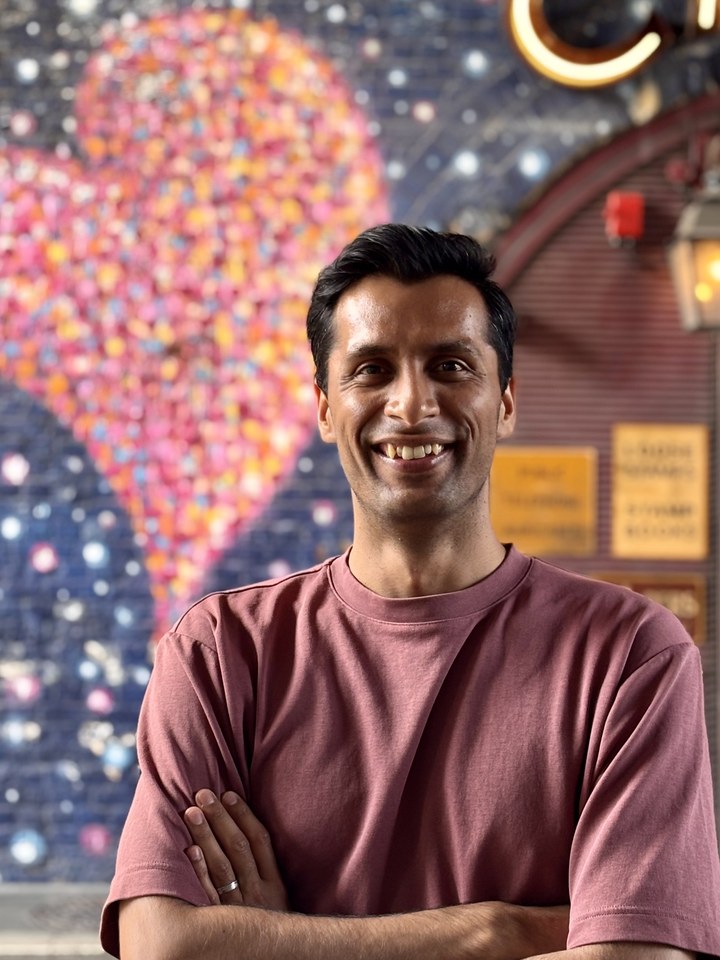
My research focuses on cardiometabolic models of heart failure with preserved ejection fraction (HFpEF), exploring how metabolic syndrome and exercise shape immune cell function, composition and population dynamics. I am particularly interested in how the immune system adapts to repeated exercise and how these adaptations influence inflammation, metabolic function and tissue communication in cardiometabolic disease. I combine single-cell RNA sequencing, spectral flow cytometry, confocal imaging and in vivo approaches to define exercise-induced immune remodelling and its contribution to cardiometabolic health and HFpEF.
Before moving to the UK in 2023, I spent four years in the US working as a Research Assistant at the University of Pittsburgh and the Medical College of Wisconsin, focusing primarily on congenital heart diseases and heart regeneration research.
I completed my Bachelor's in Biotechnology from Kurukshetra University, India, and my Master's in Biotechnology from the University of Texas at Dallas, USA.
Outside the lab, I love exploring new neighbourhoods and countries, hiking, and discovering new food. I also enjoy cycling and playing badminton. Fun fact: I have lived in 10 cities across 3 continents!
Imogen McMichael, MSc
AstraZeneca-Funded 4-Year Ph.D. Candidate, Lucy Cavendish College
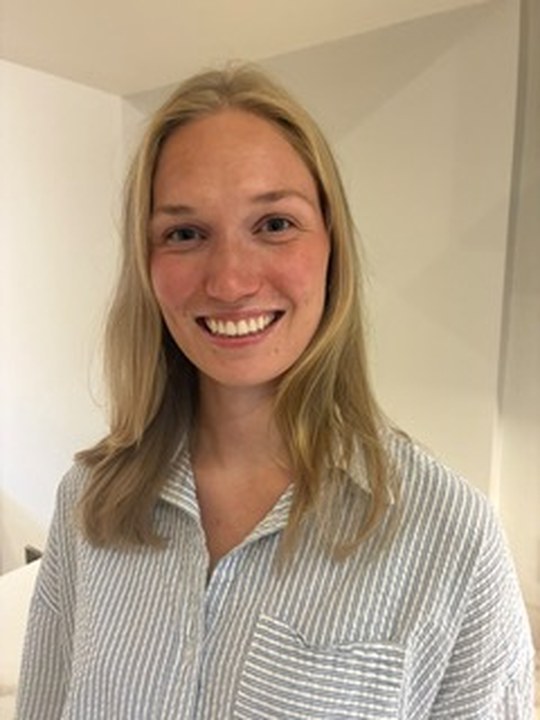
My PhD investigates how exercise influences metabolic adaptation and communication between skeletal muscle, liver and heart in cardiometabolic disease, with a particular focus on HFpEF. I aim to understand how exercise-driven changes across these tissues contribute to cardiometabolic health and identify novel, durable therapeutic targets that could help prevent or slow disease progression. I use co-culture systems, in vivo models and multi-omics approaches to investigate the molecular pathways that coordinate these inter-organ responses.
I completed my BSc in Pharmacology and MSc in Precision Medicine and Pharmacological Innovation at the University of Glasgow. Before starting my PhD, I worked at Pinpoint Medical, a biotech company developing novel diagnostic technologies for prostate cancer screening.
Outside of the lab, I enjoy playing sports and spending time outdoors. This year, I completed the 130 km Alta Via 1 trail in the Dolomites and the Paris Marathon.
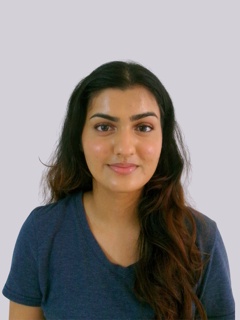
Mahajan Hetal Jayaprakash
MPhil Translational Medicine Research Student
I am an MPhil Translational Medicine Research student at the University of Cambridge. I completed my BSc (Hons) in Life Sciences, specialising in Biomedical Sciences, at the National University of Singapore. In my final year, alongside my studies, I worked at a stem cell biobank startup specialising in pioneering more affordable sources of mesenchymal stem cells.
I also completed an exchange semester at University College London, where I studied Systems Neuroscience, Diseases of Ageing, Stem Cells and Regenerative Medicine, and The Biology of Development. These courses helped shape my research interests in how metabolic regulation can influence disease outcomes and longevity, which I hope to explore further during my MPhil project here.
My current focus is on immunometabolic regulation in cardiometabolic disease, with an interest in understanding how metabolic and immune pathways contribute to disease and identifying potential therapeutic targets.
Alumni
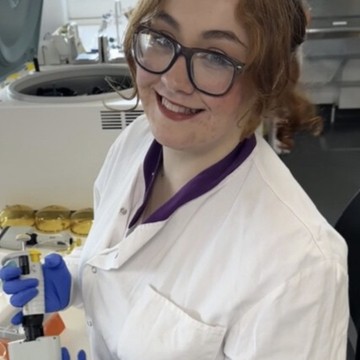
Amira-Leila Elbakkali
Research Student, Summer 2025
Current position: Graduate Entry Medical student at Warwick Medical School.
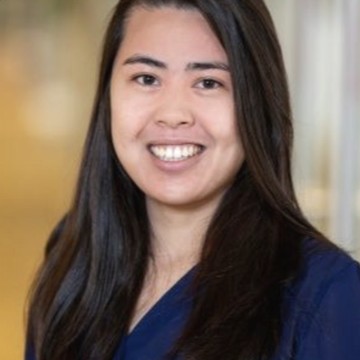
Amy Koo, MSc
Research Assistant, Summer 2021–2023
Current position: Data Consultant, Amsterdam, Netherlands
Support the Research
Every gift helps our lab recruit study participants, fund lab supplies, and train the next generation of cardiometabolic researchers. Your support directly accelerates the search for better screening and treatment options for people living with heart disease and diabetes.
$85,000 raised toward our $140,000 goal
Donate on GoFundMeContact
For media inquiries, collaboration requests, or general questions, reach out by email:
av335@cam.ac.ukProfiles
Join the Team!
We are always interested in applications from passionate people from all backgrounds who are willing to work hard to create the next generation of science and technology!
We are currently recruiting postdoctoral fellows, graduate students, and computational scientists.
For Cambridge University MPhil students, we consider rotation students from across all programs and backgrounds.
If you are interested in joining our team, send us an email at av335@cam.ac.uk.
Get In TouchPhotos